
Mold Testing in Sellersville, PA

Find Hidden Mold Before It Finds You

Professional mold testing that locates hidden growth, protects your family’s health, and gives you the documentation you need for insurance or real estate decisions.

Hear from Our Customers

Professional Mold Testing Services

Know What You're Breathing Every Day

You can’t see mold spores. They’re floating in your air right now, and if there’s a colony growing somewhere in your house, you’re breathing thousands of them with every breath.

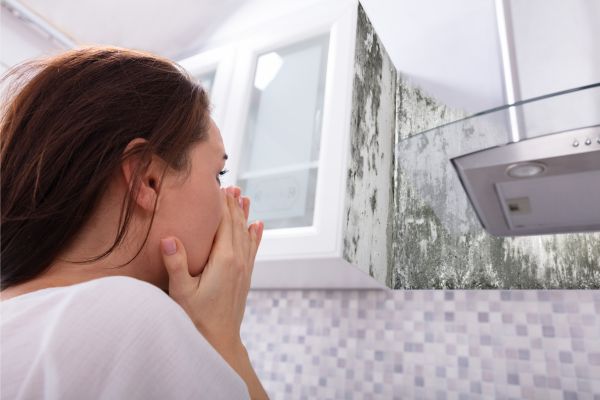
That’s the problem with mold. By the time you see it on a wall or smell that musty odor, it’s already been spreading for weeks. Maybe months.

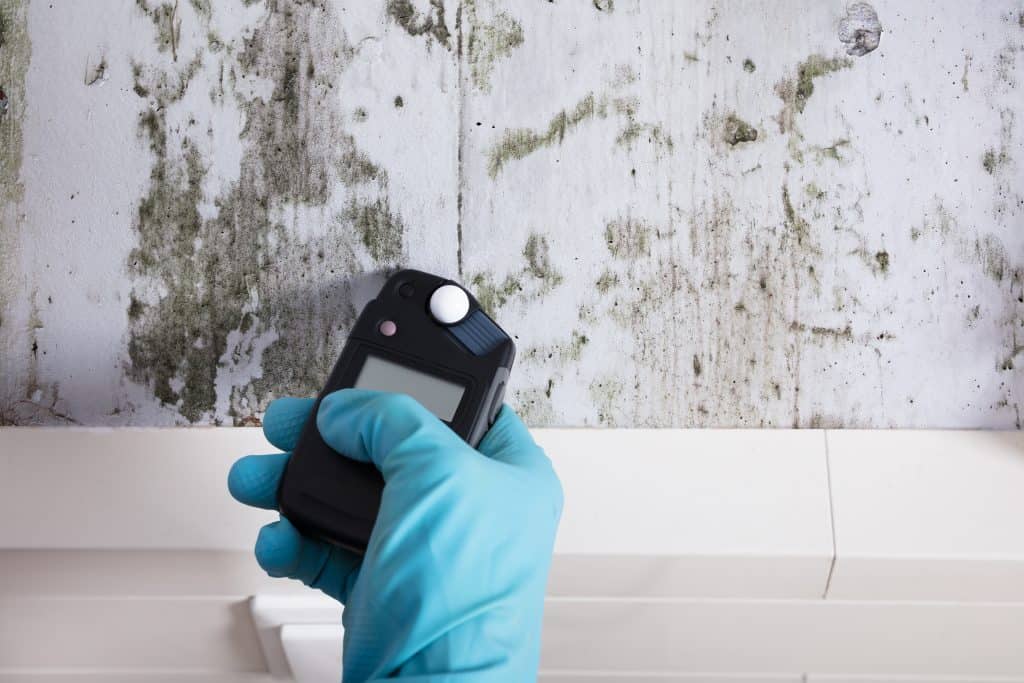
Professional mold testing finds it early. We check the air quality in every room, use moisture meters to locate problem areas behind walls and under floors, and take samples that tell you exactly what type of mold you’re dealing with. You get a clear report that explains what we found, where it’s growing, and what it means for your family’s health. No guessing. No waiting until it becomes a bigger problem.

If you’re buying a home in Sellersville, this is your chance to know what you’re getting into before you sign. If you’ve been dealing with allergies, headaches, or respiratory issues that won’t go away, this might be why. And if you’re planning to sell, getting tested now means you can address problems on your terms instead of during negotiations.

Mold Testing Company Sellersville

We Know Bucks County Homes Inside Out

We’ve been serving homeowners across Sellersville and Bucks County for years. We’re local, which means we understand how Pennsylvania’s humid summers and older home construction create perfect conditions for mold growth.

Most homes in this area weren’t built with the kind of moisture barriers and ventilation systems that newer construction has. Add in our climate—where humidity regularly pushes past 70% in summer—and you’ve got basements, crawl spaces, and attics that stay damp for months at a time.

We’ve tested hundreds of homes in Sellersville. We know where mold hides in these properties, and we know how to find it fast. When you call us, you’re getting technicians who’ve seen it all and know exactly what to look for in homes like yours.

Residential Mold Testing Process

Here's Exactly What Happens During Testing

We start with a visual inspection of your entire property. That means checking every room, looking at walls, ceilings, floors, and anywhere moisture might collect. We’re looking for visible mold, water stains, discoloration, or any signs that conditions are right for growth.

Next, we use moisture meters and infrared cameras to check areas you can’t see. Behind drywall. Under carpets. Inside wall cavities. Mold grows where moisture sits, and these tools show us exactly where that’s happening.

Then we take air samples from multiple rooms. These samples get sent to a lab that identifies what types of mold spores are present and at what concentration. We also take surface samples if we find visible growth, so we know exactly what we’re dealing with.

You get a full report within a few days. It breaks down what we found, where we found it, and what the lab results mean for your indoor air quality. We explain everything in plain language and walk you through what happens next if remediation is needed. No jargon. No confusion. Just clear answers about what’s in your home.

Ready to get started?

Explore More Services

About Mack's Mold Removal

Black Mold Test and Inspection

What You Get With Every Inspection

Every mold testing service includes a complete visual inspection, moisture detection throughout your property, air quality sampling from multiple rooms, and surface testing if we find visible growth. You’re also getting lab analysis that identifies specific mold types and spore concentrations.

In Sellersville, we’re dealing with a lot of older homes that have basements with stone foundations, crawl spaces with dirt floors, and attics with limited ventilation. These are the most common problem areas we see. Basements stay damp because groundwater seeps through foundation walls. Crawl spaces trap humidity because there’s no vapor barrier. Attics get hot and humid in summer, and that moisture condenses on cooler surfaces overnight.

If you’ve had any water damage—a roof leak, a burst pipe, flooding—mold can start growing within 24 to 48 hours. Even if you cleaned up the water, there might be mold growing in places you didn’t dry completely. That’s what testing catches.

We also provide documentation that insurance companies and real estate agents actually use. If you’re filing a claim, we know what information your insurer needs. If you’re buying or selling, our reports give you negotiating power and protect you from surprises after closing.

How much does mold testing cost in Sellersville, PA?

Most residential mold testing in Sellersville runs between $300 and $600 depending on the size of your home and how many samples we need to take. A typical single-family home with air sampling from three to four rooms and a visual inspection usually falls in the $400 to $500 range.

If you need more extensive testing—like sampling from multiple floors, testing specific surfaces, or checking a larger property—the cost goes up. But we give you an upfront estimate before we start, so there’s no confusion about what you’re paying.

Some companies offer free inspections, but they’re usually tied to remediation services. We’re transparent about pricing because we want you to make decisions based on what’s actually happening in your home, not because you feel pressured.

A thorough mold inspection for an average-sized home takes about two to three hours. That includes the visual inspection, moisture detection, and air sampling. If your home is larger or if we find areas that need more detailed investigation, it might take longer.

Lab results usually come back within three to five business days. Once we have those results, we schedule a follow-up to review the report with you and discuss next steps if remediation is needed.

The inspection itself isn’t disruptive. You can be home while we work, or you can leave—whatever’s easier for you. We just need access to all areas of the house, including basements, attics, and crawl spaces.

You can buy home mold testing kits, but they have serious limitations. Most kits only test one small area, and if you don’t collect the sample correctly, the results won’t be accurate. They also can’t detect mold that’s hidden behind walls, under floors, or in other areas you can’t reach.

The bigger issue is that these kits don’t tell you much. They might confirm that mold is present, but they won’t tell you what type, how much, or where it’s coming from. And they definitely won’t give you the documentation you need for insurance claims or real estate transactions.

Professional testing uses calibrated equipment, takes samples from multiple locations, and includes lab analysis that identifies specific mold species and spore counts. You’re getting a complete picture of your indoor air quality, not just a yes-or-no answer about whether mold exists somewhere in your house.

In Sellersville and throughout Bucks County, we most commonly find Cladosporium, Penicillium, Aspergillus, and Stachybotrys (black mold). Each one thrives in slightly different conditions, but they all need moisture to grow.

Cladosporium usually shows up on fabrics, wood surfaces, and in HVAC systems. Penicillium grows on water-damaged materials like drywall, wallpaper, and insulation. Aspergillus likes dust and can grow on almost any surface if humidity is high enough. Stachybotrys—the black mold everyone worries about—grows on materials with high cellulose content like drywall and wood, especially after water damage.

All of these molds can cause health problems, especially for people with allergies, asthma, or weakened immune systems. That’s why testing matters. You need to know what you’re dealing with so you can address it properly. Some molds are easier to remediate than others, and some require more aggressive containment during removal.

It depends on what caused the mold problem. If mold growth resulted from a sudden, covered event—like a burst pipe, roof damage from a storm, or an appliance malfunction—your homeowners insurance will usually cover both testing and remediation.

If the mold developed because of ongoing moisture issues, lack of maintenance, or gradual problems like a slow leak that went unnoticed, most policies won’t cover it. Insurance companies consider that a maintenance issue, not a covered peril.

We work with insurance companies throughout Bucks County and know exactly what documentation they need. If you’re filing a claim, we can provide detailed reports and photos that support your case. We’ve helped plenty of homeowners navigate the claims process, and we’ll work directly with your adjuster to make sure everything is documented properly.

Yes. A standard home inspection doesn’t include mold testing, and inspectors aren’t required to look for it unless there are obvious signs. That means you could be buying a home with hidden mold problems that won’t show up until after you close.

Mold testing before you buy gives you leverage. If we find mold, you can negotiate with the seller to have it remediated before closing, ask for a credit to cover the cost, or walk away if the problem is severe enough. Without testing, you’re taking on that risk yourself.

This is especially important in Sellersville, where many homes are older and more susceptible to moisture issues. Basements with stone foundations, outdated plumbing, and poor ventilation are common. Getting a mold inspection as part of your due diligence protects your investment and gives you peace of mind before you sign.

Other Services we provide in Sellersville